
How to Stop Slugs Eating Seedlings in Autumn (UK Guide)
Published 26 August 2026
Mild, damp autumn nights keep UK slugs feeding on broad beans, sweet peas and winter salads long after summer ends. Here is how to protect autumn seedlings now and cut next spring's slug pressure at the same time.
We earn commission from qualifying Amazon purchases. It costs you nothing and does not affect what we recommend.
Quick Answer
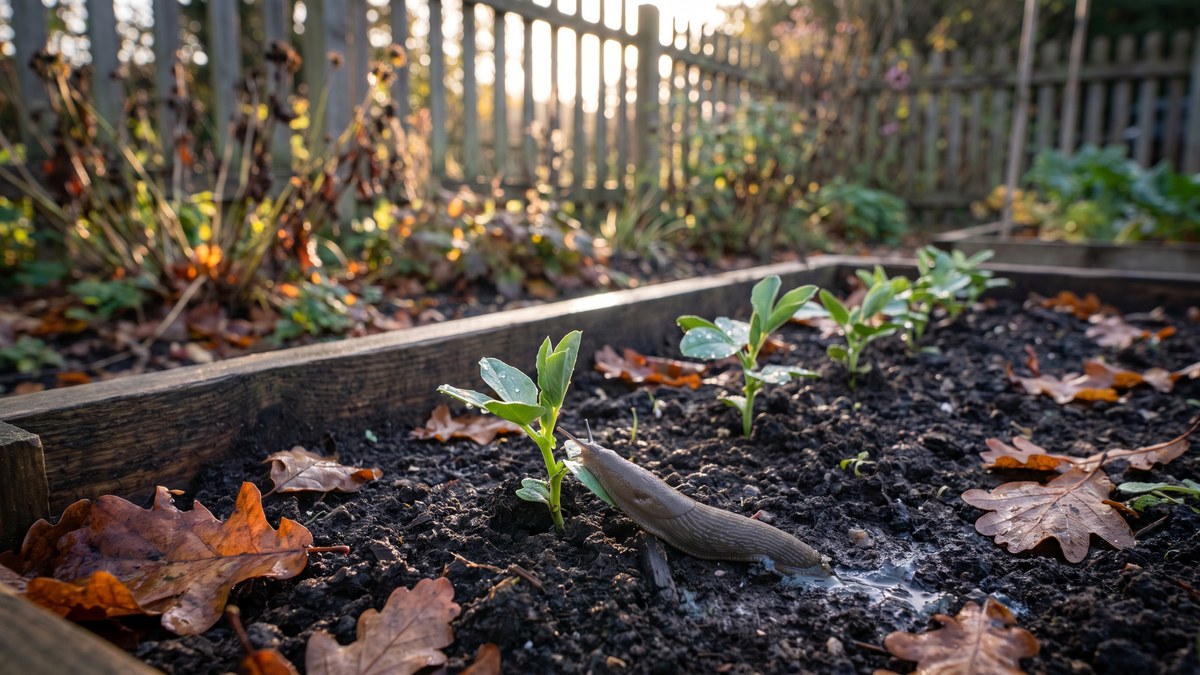
The fastest way to stop slugs eating seedlings in autumn is to raise plants under cover and only plant them out once they are sturdy, then defend them with dusk torchlight patrols, beer traps and a thin ring of ferric phosphate pellets. If you want to use nematodes, water them on early in autumn while the soil is still moist and above about 5°C, because the window closes as the ground cools. Then spend an hour clearing the pots, trays and debris slugs shelter and lay eggs under: autumn is one of the two peak egg-laying seasons, and what you clear now decides next spring's slug pressure.
- Know What Autumn Slugs Go For First
- Start Seedlings Under Cover and Plant Out Bigger
- Patrol at Dusk While the Nights Stay Mild
- Put Targeted Protection Around In-Ground Seedlings
- Use the Nematode Window Before the Soil Cools
- Tidy Up, Hunt Eggs and Watch Under Cover
- Frequently Asked Questions
- Related Reading
Most slug advice is written for spring, when trays of bedding go out and the damage is obvious. Autumn has its own slug problem, and with the autumn sowing season nearly here it deserves its own plan. The sweet peas and broad beans you will sow from late September, the onion sets and garlic pushing up first shoots, the winter salads filling a cold frame: all of it is seedling-soft just as slugs get their favourite weather. Mild, damp nights suit them perfectly, and they keep feeding long after most of us have mentally shut the garden down for the year.
Autumn is also a breeding season. Slug egg-laying in the UK peaks twice a year, in spring and again in autumn, and a single slug can lay hundreds of eggs across a year, in batches of up to 50. Eggs laid now overwinter and hatch in spring, which means the slugs you ignore in October become the slug pressure you fight in April. Stopping slugs eating seedlings in autumn is really two jobs: protect what you have just sown, and quietly cut next year's population while you are at it.
This guide works through both, in the order you would tackle them: what is genuinely at risk, how to raise seedlings out of reach, the controls that still work as temperatures fall, the one whose window is closing, and the autumn tidy-up that spring-focused articles skip. Slugs cannot be eradicated, and the RHS is right that some feeding is a normal part of a healthy garden, so the aim throughout is targeted protection for vulnerable seedlings, not a scorched-earth campaign.
Know What Autumn Slugs Go For First
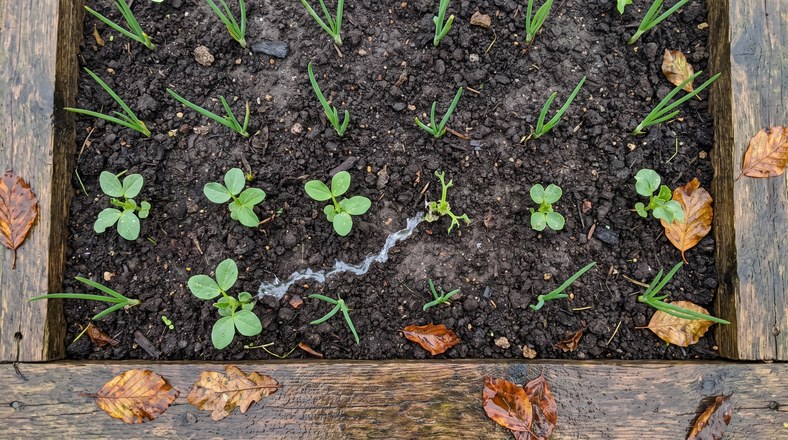
Slugs do not graze evenly across a garden; they head straight for soft, tender tissue. In autumn that shortlist looks like this:
- Autumn-sown broad beans and sweet peas, especially at the two-leaf stage, when a single slug can clear a row overnight.
- Overwintering onion sets and garlic, whose first soft shoots are easy pickings in a damp bed.
- Hardy annuals sown in early autumn, such as cornflowers, calendula and larkspur.
- Winter salads and oriental leaves under cover. Pak choi and Chinese cabbage get shredded first; lettuce, spinach and salad rocket growing right beside them often escape lightly.
- Newly planted perennials, which put on soft growth just as slug-friendly weather arrives.
Two things make the autumn version of this problem different from spring. First, activity: the grey field slug, the main seedling eater, keeps feeding on any night that stays mild and damp, and UK autumns supply plenty of those. Second, visibility: only a small fraction of a garden's slugs are on the surface at any moment, with the rest below ground or tucked into shelter, so the few you spot after rain are the tip of the population.
Before you act, confirm slugs are actually the culprit. Ragged, irregular holes, seedlings gone completely overnight and silvery trails on soil or compost all point to slugs or snails. Neatly notched leaf edges with no slime are vine weevil, a different pest needing a different treatment, so do not waste slug controls on it.
Start Seedlings Under Cover and Plant Out Bigger
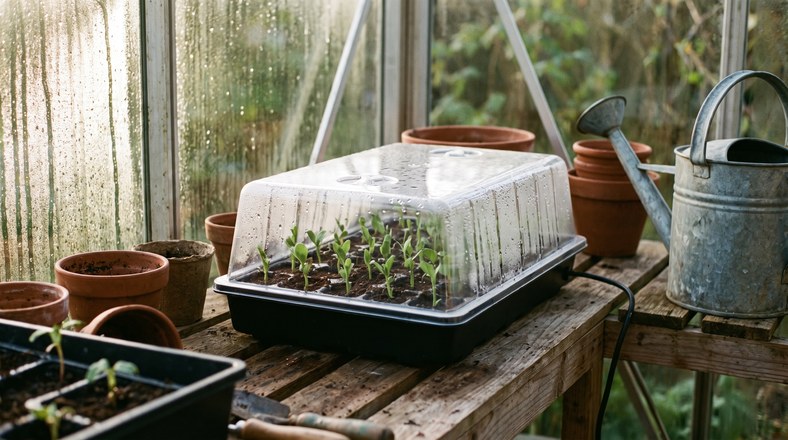
The single most effective autumn tactic is a change of habit, not a purchase: stop direct-sowing the vulnerable stuff and raise it under cover instead. A seedling at the two-leaf stage is a snack; a stocky module-grown plant with several true leaves can shrug off a little grazing and keep growing. The RHS gives the same advice, recommending sturdy pot-raised transplants over young seedlings in open ground.
For the autumn sowing window, that means:
- Sow broad beans and sweet peas in deep modules or root trainers in a greenhouse, cold frame or on a bright windowsill rather than straight into beds.
- Autumn germination slows as light and warmth fall away, and gentle bottom heat solves that. The EarlyGrow heated propagator we reviewed holds roughly 16 to 21°C, enough to keep germination quick and even in a cooling greenhouse. To be clear, it does nothing to repel slugs; its job is getting seedlings through the vulnerable stage faster, up off the ground where fewer slugs find them.
- Once seed is up, move trays to bright, cool, frost-free staging so plants grow stocky rather than leggy.
- Plant out only when seedlings are sturdy, and sow a few spare modules as insurance so one bad night does not cost you the whole row.
- Keep trays and pots up on staging or shelves, never on the ground, and look underneath them weekly; the underside of a seed tray is prime slug shelter.
If a seedling must go out small, give it a cloche or a cut-down clear bottle pushed firmly into the soil. Unlike scratchy mulch barriers, a solid cover genuinely blocks slugs, and in autumn it doubles as weather protection.
Patrol at Dusk While the Nights Stay Mild
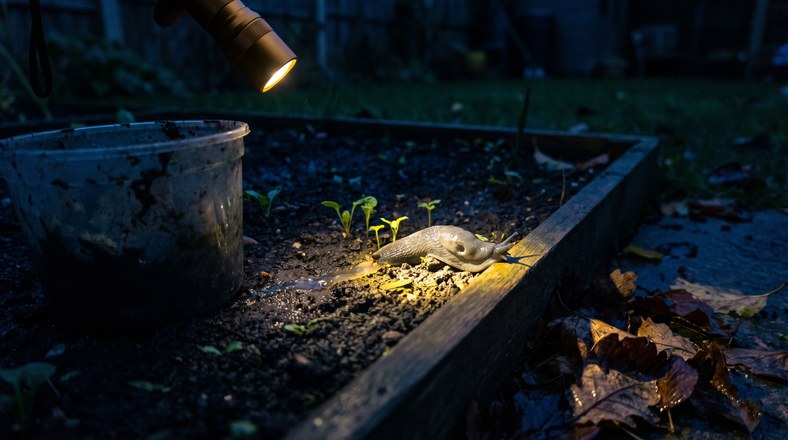
Torchlight patrols top reader surveys of slug controls for a reason: they work, they cost nothing, and unlike the temperature-dependent methods they keep working all autumn. The routine is simple. On mild, damp evenings, head out about two hours after dusk with a torch and a container and pick slugs off seedlings, bed edges and the soil around them. The season even helps you here: by late October dusk falls before dinner, so the patrol slot is far more civilised than a summer midnight shift.
- Concentrate on the beds that matter: your autumn sowings, the cold frame, anything newly planted.
- Wear gloves, and check the undersides of leaves, the rims of pots and the damp inner faces of bed boards.
- Carry captures at least 20 metres away, because some slugs have a homing instinct. The compost heap is a fair destination, where they do genuinely useful work breaking down waste, or leave them out for birds.
- Repeat on consecutive mild nights for a week and numbers drop noticeably.
Back the patrols up with traps. Sink a jar or a purpose-made trap at the edge of a vulnerable bed with the rim sitting a little proud of the soil so ground beetles do not tumble in, half fill it with cheap beer, and give it a loose lid to stop autumn rain diluting it. Empty it every morning. A grapefruit half or a plank laid near seedlings works as a decoy shelter instead: slugs gather beneath it by day and you collect them with your morning coffee. Keep traps at the edge of a bed rather than the middle, or slugs will graze your seedlings on the way in.
Put Targeted Protection Around In-Ground Seedlings
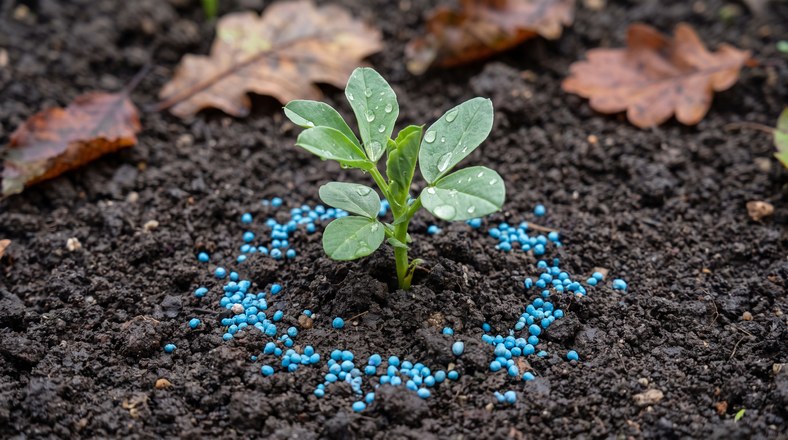
Some sowings have to be in the ground: broad beans, garlic, onion sets, hardy annuals in their final positions. Protect these with the few measures that hold up in wet autumn weather, and skip the ones that do not.
Ferric phosphate pellets, used sparingly
The old metaldehyde slug pellets were banned in the UK, with sales ending in March 2021, because they poisoned the wildlife that eats slugs. The pellets on sale now are ferric phosphate, which is approved for organic growing. Provanto Slug and Snail Killer Max, the pellet we reviewed, is this type: organic approved and rain resistant, which matters in a season when most weeks bring rain. Scatter a thin ring around vulnerable seedlings at the label rate rather than carpeting the bed. Two honest caveats: the RHS advises keeping pellet use to a minimum because even organic-approved pellets can affect the wider food chain, and the buyer reviews we analysed are genuinely split on how much difference pellets make on their own. Treat them as one layer around your most vulnerable plants, not the whole plan.
A garlic drench on the leaves
Garlic drenches will not stop a determined infestation, but applied regularly they mask the scent of tender leaves and make seedlings less appealing. Water a garlic solution over foliage in the evening, coating the leaves well, and reapply weekly. In autumn the schedule matters more than the recipe, because rain strips the coating; go over the bed again after every proper downpour. A pump-action pressure sprayer like the Spear and Jackson model we reviewed makes even coverage across a row of seedlings quick. No slug-specific magic there; it is simply the right tool for applying any liquid evenly.
Barriers: mostly folklore
Crushed eggshells, sharp grit, copper tape, bark mulch and wool pellets all sound plausible. In a garden-realistic RHS trial, none of them reduced slug damage compared with unprotected plants. Autumn is the worst season for them anyway, since persistent rain soaks dry, scratchy materials or washes them out within days. If you want physical protection, use a cloche or bottle cloche: a solid obstacle, rather than a texture slugs are merely said to dislike.
Use the Nematode Window Before the Soil Cools
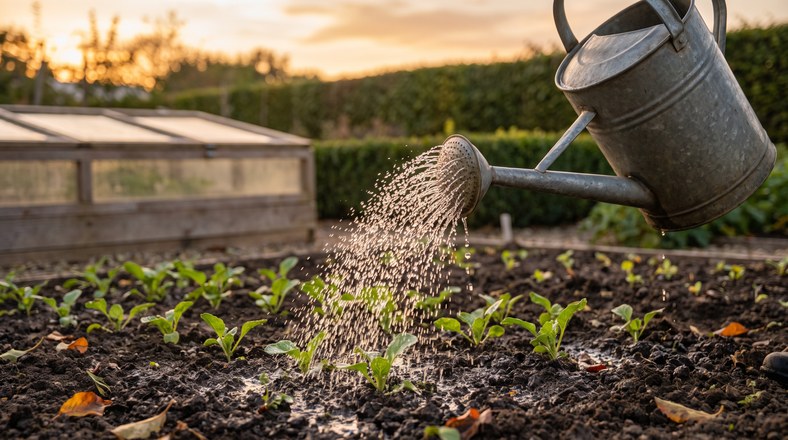
Biological control with nematodes (Phasmarhabditis hermaphrodita, sold under names like Nemaslug) is the one method that reaches slugs where they actually live, below the soil surface. You mix the powder with water, water it onto beds, and the microscopic nematodes infect slugs underground. One application protects for about six weeks.
The catch in autumn is temperature. Nematodes need moist soil at roughly 5 to 20°C, which is why suppliers recommend spring to early autumn. In practice:
- Early autumn applications, while beds still hold summer warmth, work well and can knock back the generation currently busy laying eggs.
- The later you leave it, the shorter and weaker the effect. Once the soil feels properly cold, usually from late autumn across much of the UK, save your money for a spring application instead.
- Apply in the evening to moist, well-drained soil and water in afterwards. Results are poorer on heavy clay.
- Treat the areas that matter, such as seed beds and the ground around a cold frame, rather than the whole garden. Nematodes kill all slug species, including the large ones that mostly recycle dead material, so blanket treatment does more harm than good.
Two buying notes. Nematodes are alive, with a short use-by date, so order them when you are ready to apply, not weeks ahead. And check the species on the pack: vine weevil nematodes (Steinernema kraussei) are sold in near-identical packs for autumn use in pots, and they do nothing whatsoever to slugs. We do not currently stock a slug-specific nematode, so this is one to source from a biological control supplier. Snails, for what it is worth, largely escape nematodes because they rarely spend time in the soil.
Tidy Up, Hunt Eggs and Watch Under Cover
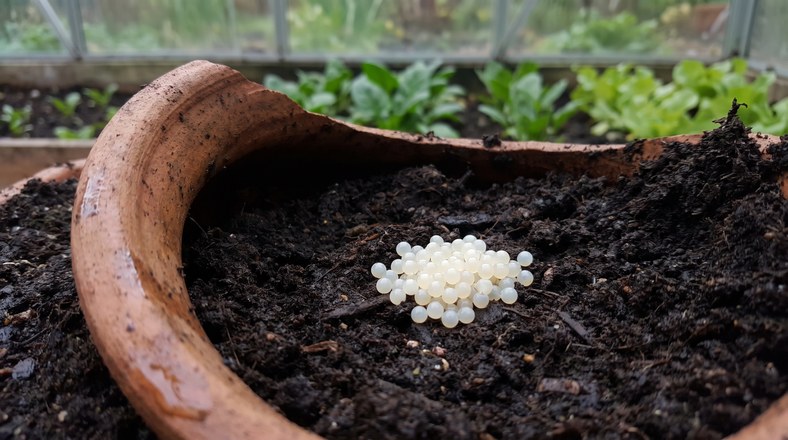
This is the job the spring guides never mention, and it is the one with the longest payoff. Slugs spend winter under whatever shelter you leave lying around, and autumn is one of the year's two egg-laying peaks. Eggs laid now sit out the winter and hatch as your spring sowings emerge, and they are astonishingly hardy: slug eggs can survive temperatures below -10°C by supercooling, so a cold snap will not clear them for you. An hour of deliberate tidying does far more.
- Clear the shelter within a few metres of your seed beds: piles of wet leaves against board edges, old planks, bricks, stacked pots, empty grow bags and weedy margins. Charles Dowding's principle holds here: open, tidy space around plantings means fewer slugs beside them.
- As you lift each pot, tray and bag, check the underside and the soil beneath for egg clusters: white or off-white spheres, 2 to 3mm across, laid in groups of up to 50. Scatter them on the soil surface or a bird table and robins and blackbirds will clear them, or simply crush them.
- Snap off yellowing lower leaves on brassicas and established winter salads and compost them; left to fall, they make damp slug shelters right at the stem.
- Lightly rake or hoe bare beds on a dry day to expose eggs for birds and ground beetles.
- Keep the wildlife infrastructure, just not beside the seedlings. Log piles, compost heaps and ponds house the ground beetles, toads and birds that eat slugs and their eggs all winter; site them away from the vegetable beds and they quietly work for you.
Finally, do not forget the covered garden. Winter salads and oriental leaves keep growing in a greenhouse, polytunnel or cold frame, and slugs keep eating them whenever nights under cover stay mild. A max and min thermometer such as the ETI unit we reviewed records the overnight low in a greenhouse or cold frame; while those minimums hold above about 5°C, assume slugs are still feeding and keep up a weekly check under staging, trays and pot rims. Water under-cover crops in the morning, every few days rather than a splash every day, so surfaces are dry by nightfall and the space stays unfriendly to slugs.
Frequently Asked Questions
Do slugs stop eating seedlings once autumn turns cold?
Not reliably. The grey field slug, the main seedling eater, keeps feeding on any mild, damp night, and UK autumns supply plenty of them. Activity only really pauses during cold snaps, and under cover in a greenhouse or cold frame slugs can carry on through much of the winter. Assume your seedlings need protection until sustained cold arrives.
When do slugs lay eggs in the UK?
Year-round in mild conditions, with two clear peaks: spring and autumn. A slug can lay hundreds of eggs across a year, in batches of up to 50, and eggs laid in autumn overwinter and hatch in spring. They survive below -10°C by supercooling, which is why an autumn egg hunt under pots and trays does more good than hoping for a hard frost.
Do copper tape and eggshell barriers stop slugs?
The evidence says no. An RHS trial run under garden-realistic conditions found no reduction in slug damage from copper tape, bark mulch, crushed eggshells, sharp grit or wool pellets, and autumn rain makes dry barriers even less useful. Solid physical covers such as cloches do work, because slugs cannot cross them at all.
Are slug pellets legal to use in the UK in autumn?
Metaldehyde pellets are banned; sales ended in March 2021. The pellets sold now, including the Provanto product we reviewed, use ferric phosphate, which is approved for organic growing and holds up in rain. Use them sparingly in a thin ring around vulnerable seedlings, because heavy scattering can affect the predators that would otherwise eat your slugs, and buyers report mixed results when pellets are the only line of defence.
Related Reading
- How to Get Rid of Ants in the Garden (UK): A Calm, Practical Guide
- How to Protect Plants from Frost in the UK
Disclaimer: This article contains Amazon affiliate links. We may earn a small commission from qualifying purchases at no extra cost to you.