
Levington Tomorite 1L Review: The Tomato Feed Half Its Buyers Use On Everything Else
We earn commission from qualifying Amazon purchases. It costs you nothing and does not affect what we recommend.
It says tomato food on the label, but scroll through the reviews and you'll find it on chillies, sunflowers, hydrangeas, roses and a chilli plant a cat had nibbled to bits. We dug into 100 verified reviews of the £3.97 1L bottle to work out where Tomorite actually delivers, and the few cases where buyers walked away unhappy.
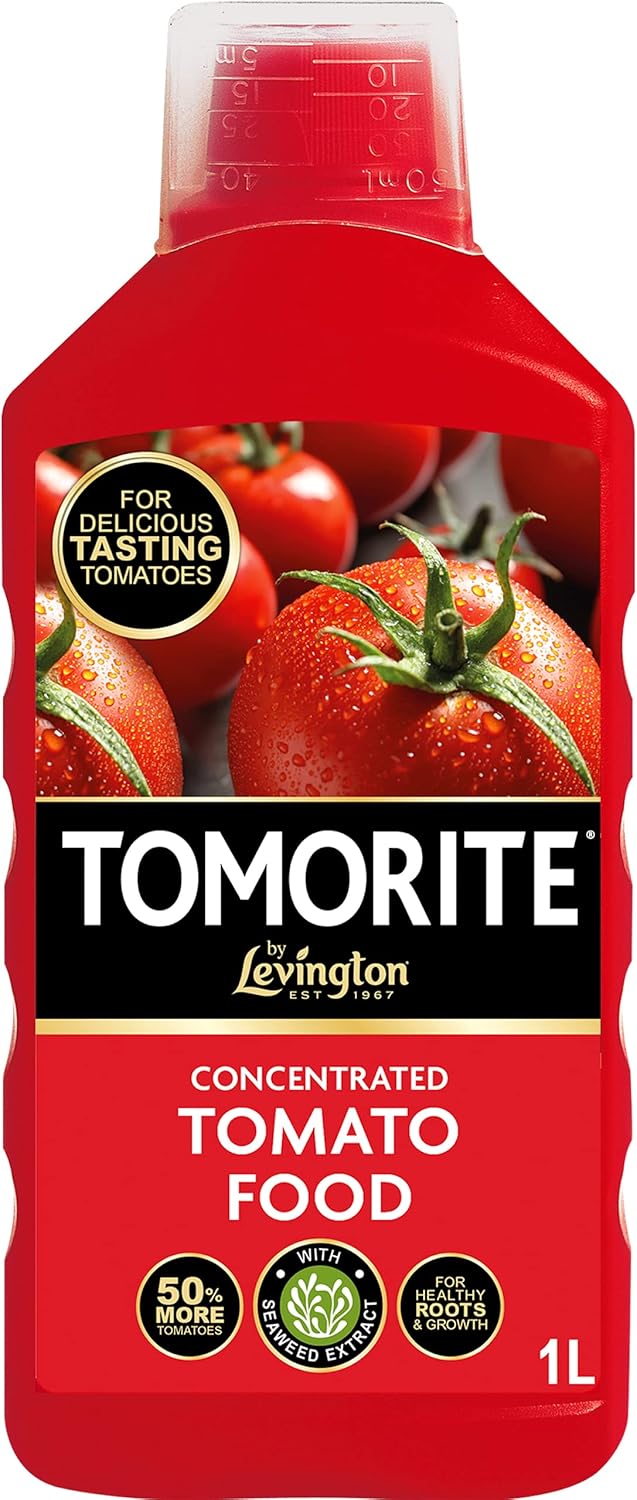
Open the reviews for Levington Tomorite expecting tomato talk and you get a slightly different story. Yes, plenty of buyers use it on greenhouse toms exactly as the label suggests. But scroll a bit and you'll find it sloshed onto hydrangeas, chillies, roses, cucumbers, bedding plants, a sunflower that allegedly hit four metres, and a chilli plant that was nibbled to bits by a cat. The 1L bottle costs £3.97 on Amazon, holds an NPK 4-3-8 formula enriched with seaweed extract, and has racked up nearly 7,000 ratings at a 4.7-star average. We pulled 100 of the most recent verified reviews to see what UK gardeners actually do with it, where it consistently delivers, and the rare cases where buyers walked away frustrated.
The 4-3-8 Formula And Why It Works
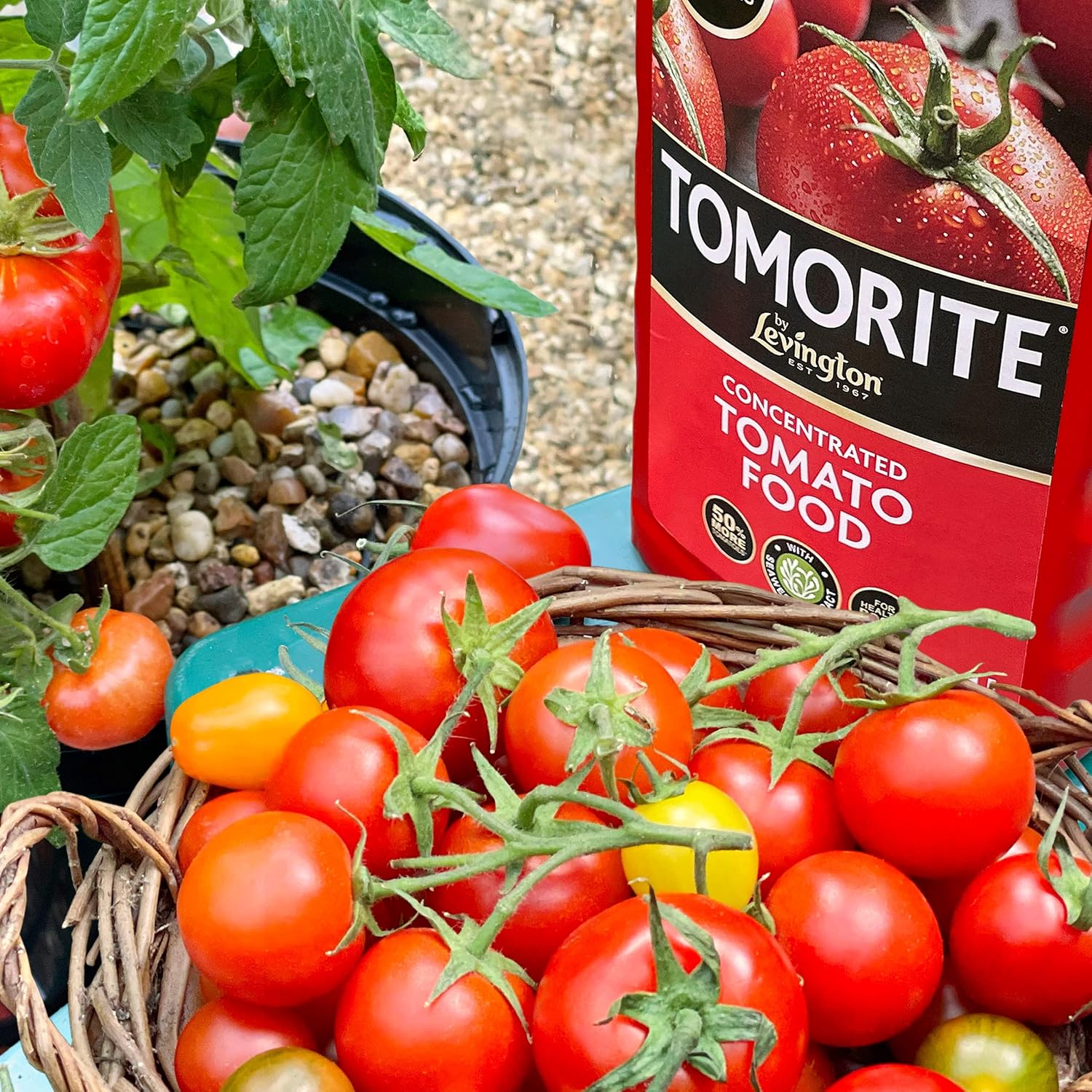
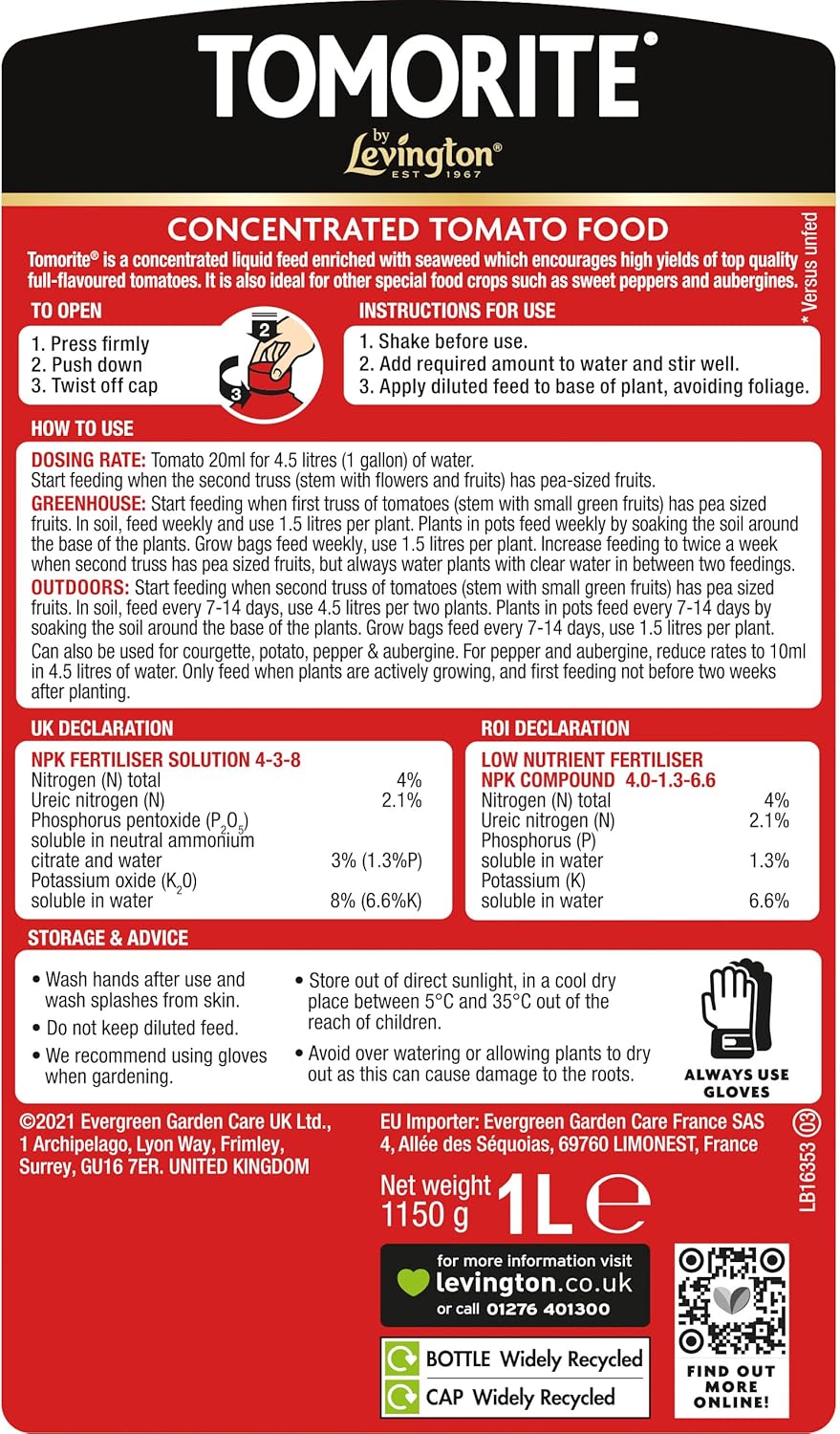
Levington Tomorite is a 1L liquid concentrate with an NPK ratio of 4-3-8 (4 percent nitrogen, 3 percent phosphorus, 8 percent potassium) and added seaweed extract. The high potassium relative to nitrogen is the bit that makes it a 'tomato' feed: potassium is what fruits and flowers need to set well rather than going leggy and leafy. Levington claims up to 50 percent more yield versus unfed plants, which is a marketing line, but the formula is the same one British gardeners have been pouring on greenhouse tomatoes for decades.
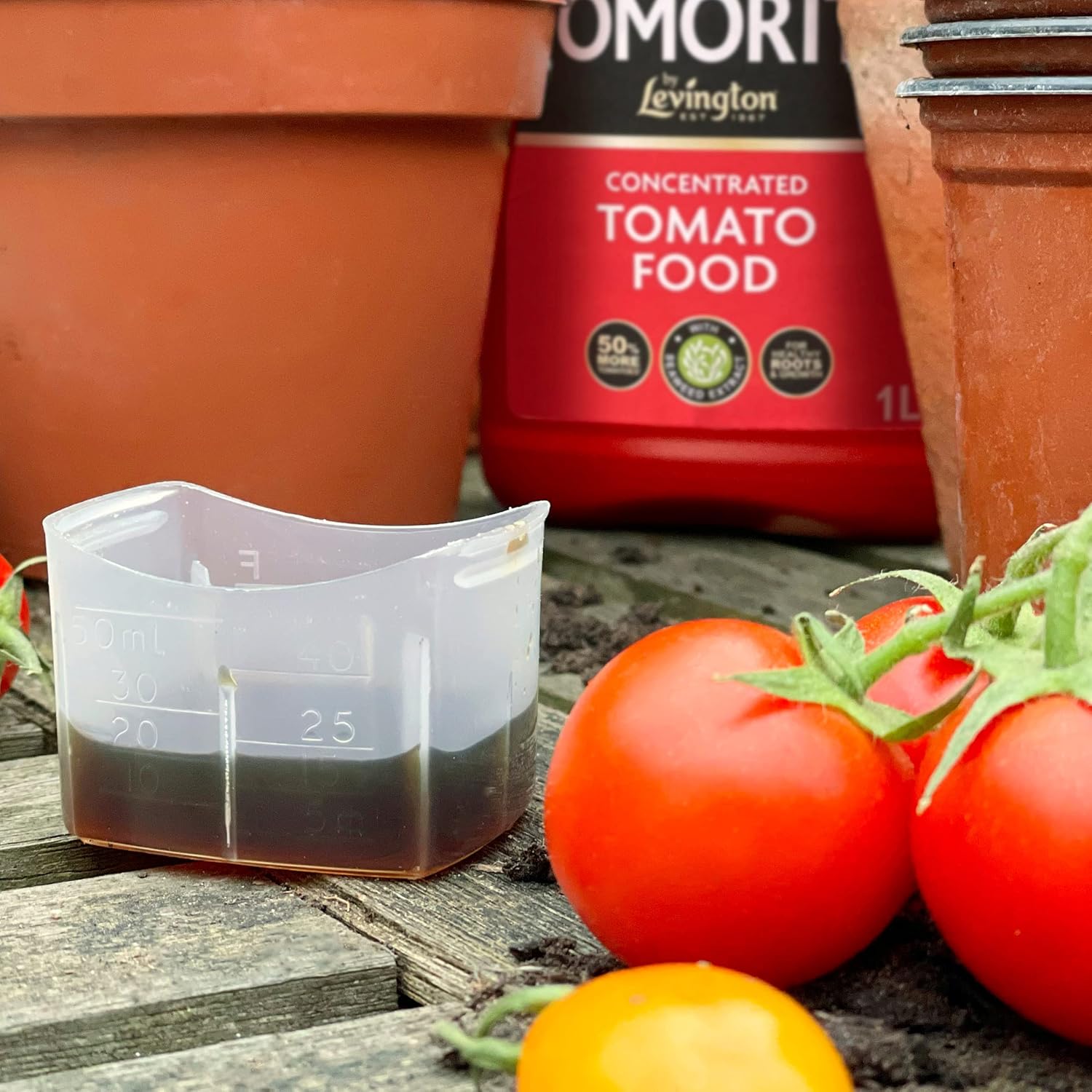
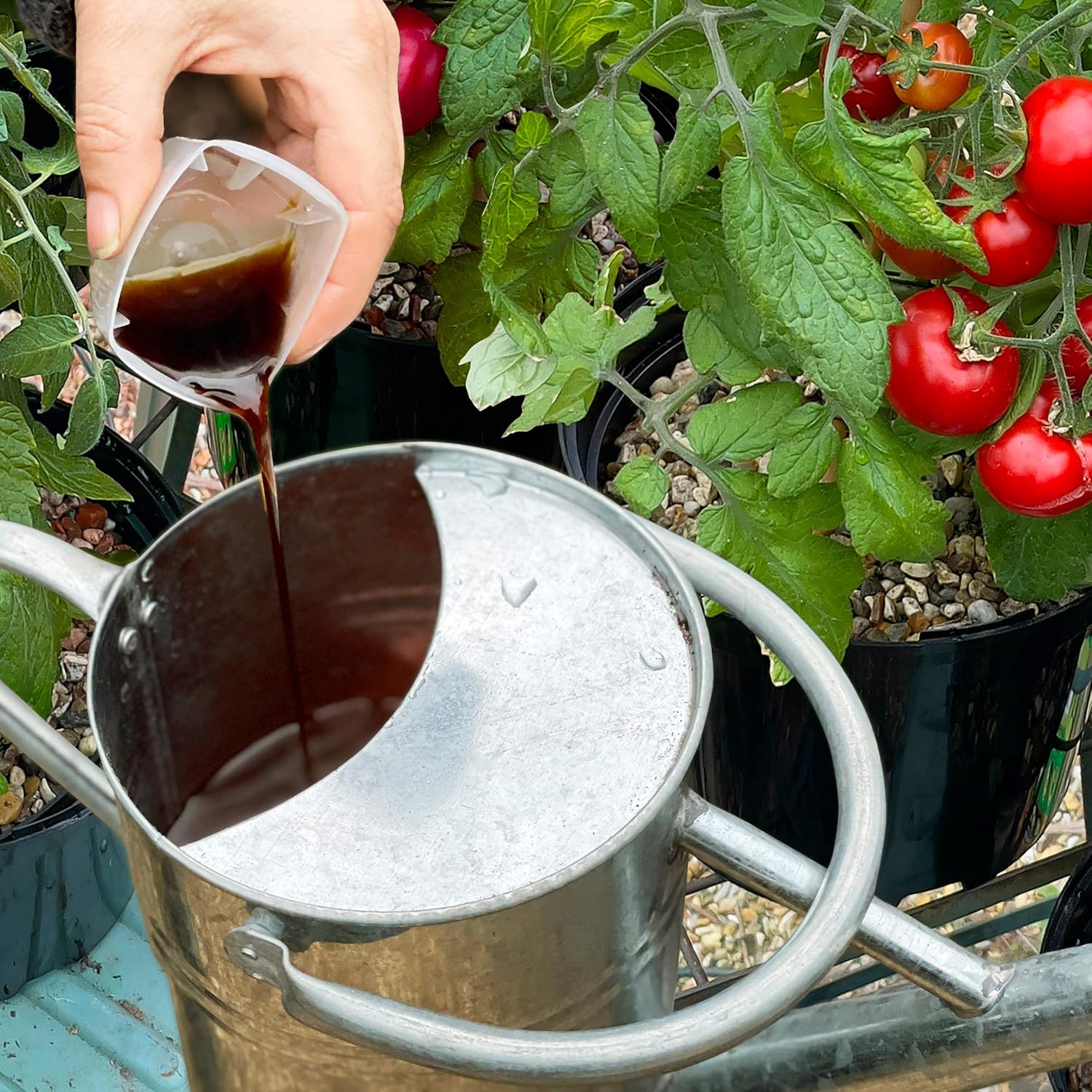
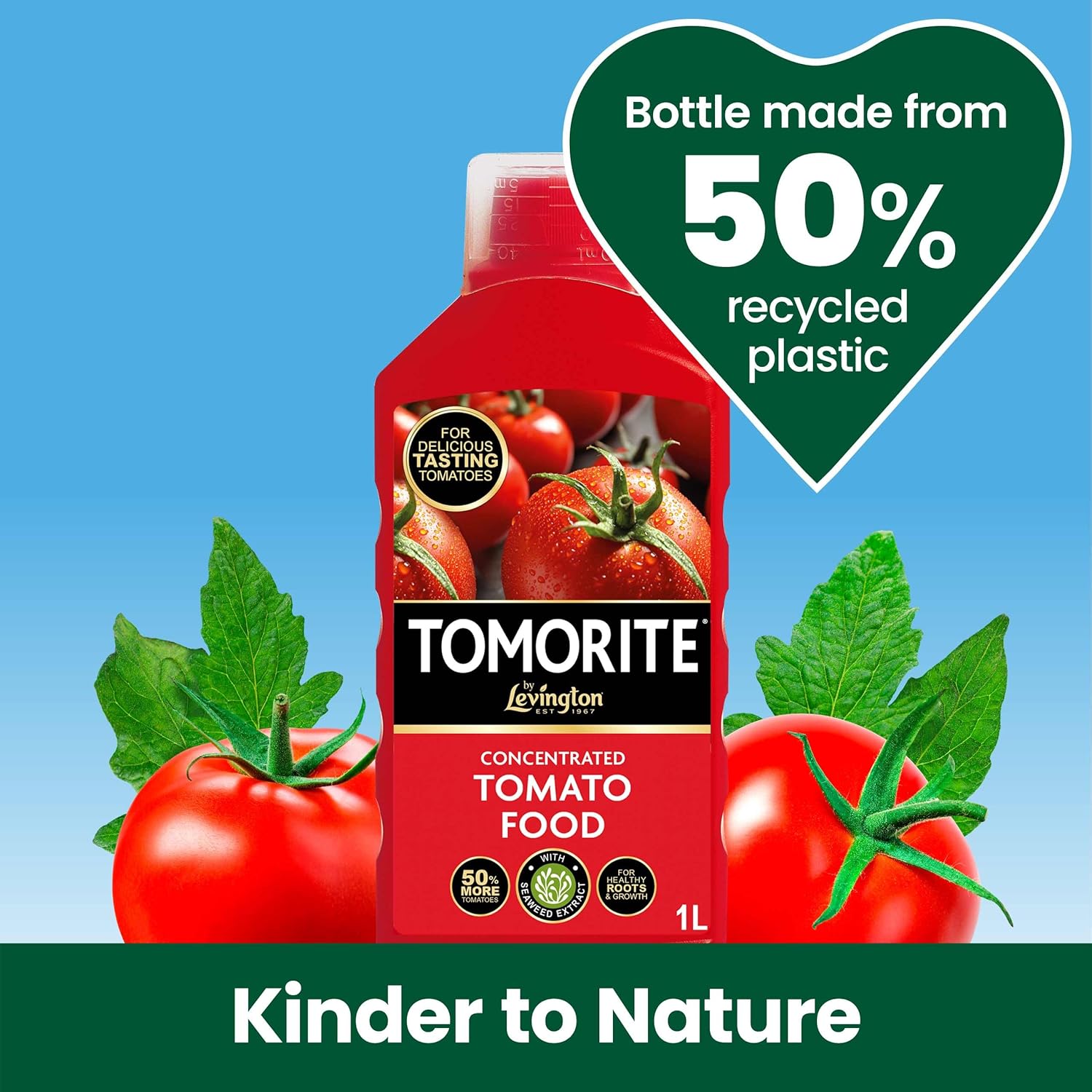
The bottle itself gets a fair amount of love in the reviews. One buyer noted, "Sturdy container, tight fitting lid." Another said, "Great tomato feed. Good size, easy to measure out. Secure bottle so no leaks." The screw-on measuring cap on the neck means you can dose it without a separate jug, which matters when you're feeding a row of grow bags every other week.
Most Buyers Aren't Using It On Tomatoes
This is the surprise once you read enough reviews. The product name says tomato food, but a clear chunk of buyers ignore that entirely. The pattern repeats over and over: people bought it for the toms, liked the results, and then started spraying it on everything else.
One reviewer summed it up neatly: "Brilliant feed! Can be applied with water to feed most plants, shrubs, bedding, pots and trees. Would not be without mine. Flowers brighter, larger, encourages growth great all rounder." Another said, "Use this for feeding flowering plants throughout the summer - great results and flower growth at half the price of the likes of Miracle Grow and the like!" A third buyer reported their hydrangea "come alive" after they branched out from tomatoes alone.
The use cases in the 100 reviews include cucumbers, chillies, roses, bedding flowers, a cactus, and the aforementioned four-metre sunflower. The botanical reasoning holds up: anything that fruits or flowers responds to potassium, so the high-K formula benefits a lot more than just toms. If you grow a typical UK back garden mix of pots, borders, and a couple of grow bags, one 1L bottle will likely cover the whole lot for a season.
Levington Tomorite Liquid Tomato Food, Concentrate, 1L
The UK's go-to liquid tomato feed, NPK 4-3-8 with seaweed extract. Works on toms, but also flowering plants, hydrangeas, roses and pretty much anything that fruits or blooms.
The Allotment Maths On £3.97
The price is doing a lot of work in why this product gets repeat-bought. Several reviewers explicitly compared the Amazon price to the high street: "Only bought from amazon because it was loads cheaper than the shops." One allotment holder bulk-bought: "This is great tomato feed. I have an allotment so bought for me and my plot holders at a really good price. One bottle should last the season, maybe two."
At £3.97 for 1L of concentrate, you're looking at hundreds of litres of made-up feed once diluted (Levington's standard ratio is around 10ml per litre of water for established plants). For a single-plot allotmenteer or a small back garden, one bottle covering an entire growing season is realistic. The repeat buyers in the review pool make the value case clearly: "Have used this product for years the price was very good." "Was on sale cant go wrong for next summer." "my 'go to' tomato food- had a fabulous crop this year and great price."
Where Reviewers Are Less Impressed
The 4.7 average obviously hides some unhappy buyers, and they fall into a few groups worth knowing about.
The most striking complaint comes from a 1-star reviewer who reported their plants died: "I had six very healthy plants growing and they had just started flowering when i used this product. Saly, withing two days the plants where wilting and couldn't be saved / revived." (sic) They also questioned a colour change versus older bottles. This sits alone in the 100 reviews we pulled, and the timing they describe (rapid wilt within 48 hours of feeding healthy flowering plants) is unusual for a balanced NPK feed used at recommended dilution. Whether it was a bad bottle, an overdose, or coincidence with another stress factor is impossible to say from a single review, but it's worth noting that overfeeding any concentrate (including this one) can scorch roots, especially in pots that have dried out.
A separate 1-star buyer made a different argument: "The NPK is not high enough . Buy boost the NPK is 6%." That's a fair technical point if you're chasing maximum yield in a controlled hydroponic setup. For a UK garden growing toms in compost or grow bags, the lower NPK is arguably a feature: harder to overdose, and reviewer 9 specifically flagged this: "It is mild so you can be sure it will just give a small boost to the plants."
The 2-star reviewer simply said, "Tomatoes with this and without are the same size." Worth taking seriously if your tomatoes are already in nutrient-rich compost, where adding more feed may not move the needle.
When To Start Feeding (And When Not To)
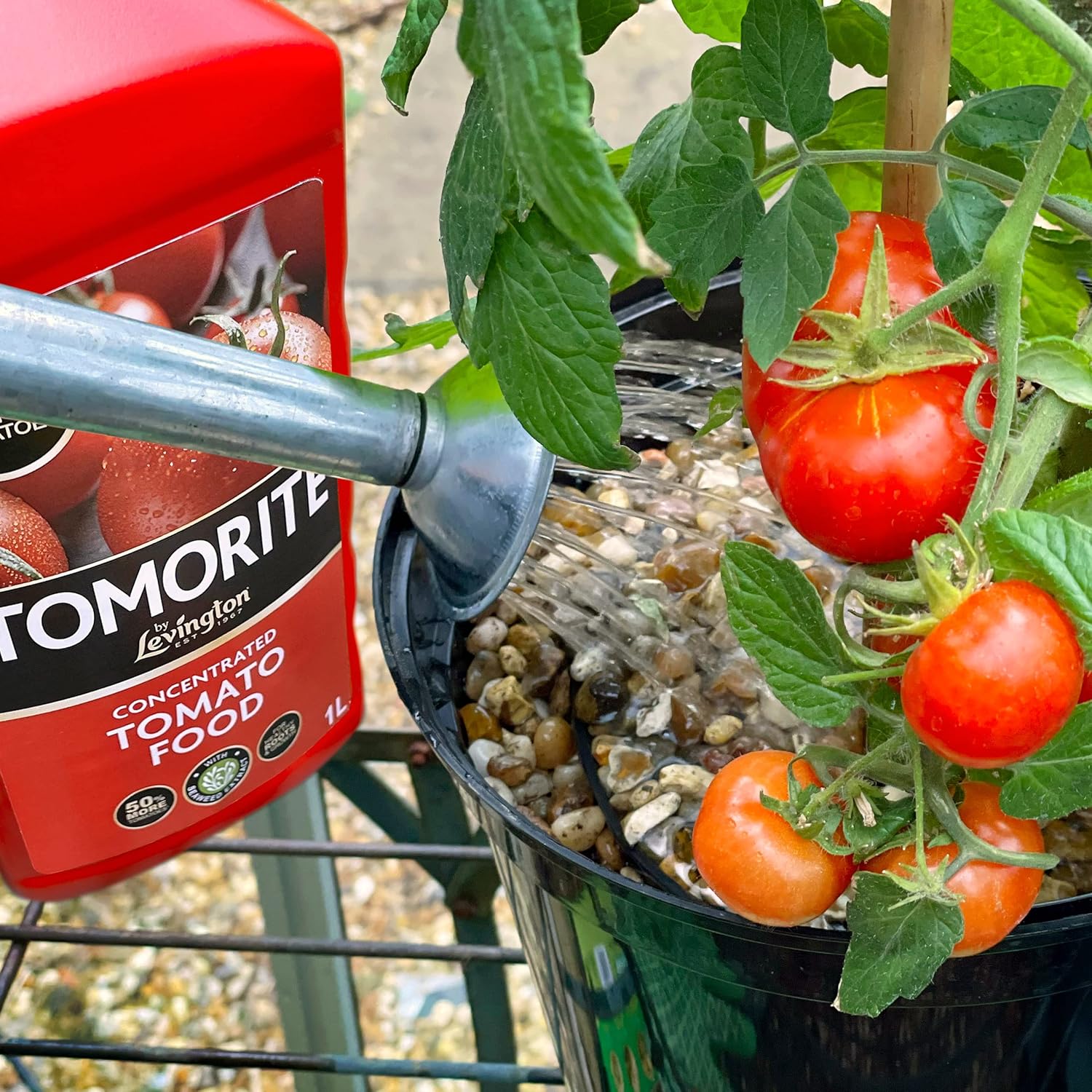
One 4-star reviewer made a useful tactical point that's easy to miss if you're new to growing toms: "It's most effective when any fruits have set, otherwise you get a lot of greenery and not much else." That matches standard advice. Tomorite is a fruiting feed, not a growing feed. Use it before the first flowers appear and you'll push the plant towards lush leaves at the expense of fruit. Wait until you see the first truss of yellow flowers, or better yet the first pea-sized green tomatoes, then start feeding once a week with the dilution on the bottle.
For UK growers in unheated greenhouses or outdoors, that timing usually lines up with late June through September depending on your variety and how warm your spring runs. Indeterminate varieties (the cordon ones you tie up) keep producing trusses, so you keep feeding right through until first frosts. One reviewer was "still picking my tomatoes in November" with weekly Tomorite feeds, which is doable in a sheltered south-facing spot.
The Brand Loyalty Factor
You don't read 100 reviews of a fertiliser without noticing how many people use the phrase "always". "Always used this." "Always use this product." "Always use this in my pots." "Always use this on our flowers." "Always good value." One reviewer just shrugged: "It is what it is . Been using it for years".
That kind of repeat-buy pattern is the strongest signal in any review pool, because it filters out novelty effects and one-season flukes. People who've been using a product for five or ten consecutive seasons, and bother to log in and review the bottle they just bought again, are telling you something durable about the product's reliability. Tomorite is one of those decades-old British garden brands that's outlasted plenty of fancier challengers, and the reviews suggest that's more about consistent results than nostalgia.
Verdict: A Cheap Reliable Workhorse
Levington Tomorite 1L at £3.97 is a low-risk buy for almost anyone growing fruiting or flowering plants. The 4.7-star average across nearly 7,000 ratings reflects what the recent reviews show in detail: it's a familiar, well-priced, broadly applicable feed that does what it claims for the majority of buyers. The downsides are real but narrow, mainly around timing (feed too early and you get leaves not fruit) and the rare reports of plant damage which are hard to attribute cleanly without more detail.
Best for: UK gardeners with grow bags, greenhouse tomatoes, container roses, hanging baskets, mixed pot displays, or an allotment plot of mixed flowering and fruiting crops. Skip if: you're growing ericaceous plants like rhododendrons, blueberries or camellias (use a specialist acidic feed instead), or you're chasing maximum-yield hydroponic results where a higher-NPK liquid feed would suit better.
For most readers reading a piece like this, one 1L bottle of Tomorite, started at flowering and used weekly through the summer, is the right call.
Levington Tomorite Liquid Tomato Food, Concentrate, 1L
The UK's go-to liquid tomato feed, NPK 4-3-8 with seaweed extract. Works on toms, but also flowering plants, hydrangeas, roses and pretty much anything that fruits or blooms.